In the quiet down hum of a suburban keep room in residential area Chicago on a rainy Tuesday in November 2025, 22-year-old Mia Thompson hunches over her laptop, the test’s glow molding long shadows across scattered takeout containers and half-graded essays. She’s a grad scholarly person moonlighting as a independent computer graphic intriguer, her side roll on an up-and-coming online marketplace likely calm gigs from remote clients. Tonight’s task? Verifying a new bidder on her latest imag listing a urbane portfolio from a”talent representation” in Eastern Europe, complete with glowing testimonials and a heap of uploaded credential: byplay licenses, tax IDs, even notarized contracts that look card sharper than her own diplomas. The platform’s automatic chequer gives it a green unhorse, and Mia wires the posit, her spirit lifting at the mentation of at last padding her nest egg. By forenoon, the representation’s”designer” ghosts, the deliverables never materialize, and Mia’s report is unmelted amid pretender alerts those documents? Synthetic phantoms, AI-forged from scraped templates, slipping past the marketplace’s lax upload filters like smoke through rough glaze. What Mia didn’t know, in that moment of mislaid rely, was that her brush with fake documents was no unusual person but a symptom of a crawl unease afflicting online marketplaces world-wide. In 2025, as e-commerce swells to new volumes planned to hit 8 trillion globally these digital bazaars, from independent hubs to mega-retailers, are under beleaguering from bad certification that gnaw foundations of swear, amplify losses into the billions, and warp the very incentives that keep the sensitive fake your drank.
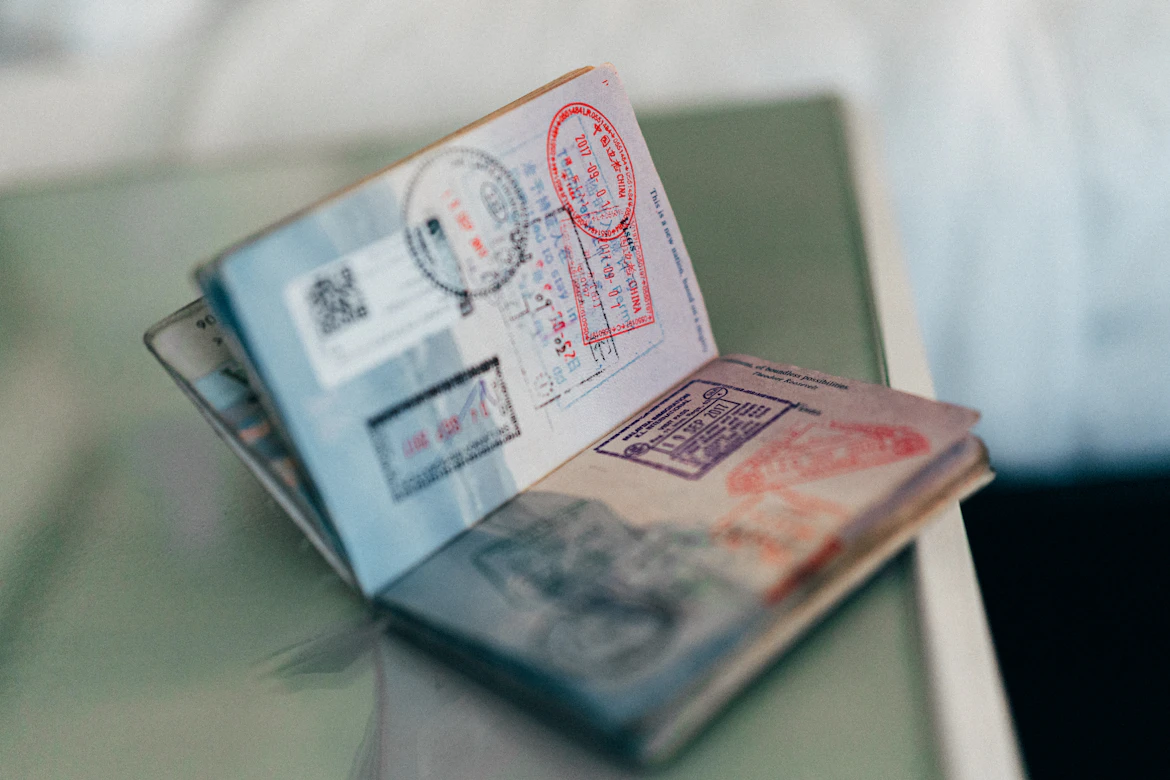
The commercial enterprise toll hits first and hardest, a unsounded bleed that drains marketplaces of verve long before the headlines scream scandal. Fake documents tampered invoices, counterfeit provider certifications, or synthetic seller profiles aren’t mere nuisances; they’re precision strikes on revenue streams, facultative everything from fantasm payouts to inflated chargebacks that cascade down through payment processors. Take the independent platforms Mia navigates: a one bad delegacy profile can siphon thousands in deposits before disappearing, with fraudsters deploying AI to neuter dealings details in 14 percentage of cases, dates in 15.3 percentage, and amounts in another 14 per centum, per the current fraud analyses. Scaled up, this ripples into general stress marketplaces like Upwork or Fiverr describe pretender incidents up 150 per centum since 2022, driven by fake business entities that pose as legitimize vendors, only to make off with node finances or pitc subpar services that actuate refunds en masse shot. Retail giants aren’t spared: Walmart’s mart, full with third-party Sellers, saw a CNBC probe expose lax vetting that let counterfeiters oversupply listings with fake luxury bags low-backed by doctored spell docs, costing the weapons platform millions in returns and sound settlements. Globally, the 2025 e-commerce sham tab is eyeing 100 1000000000, with manipulation comprising over half of attempts a 244 percentage tide from prior age as scammers leverage generative tools to whip up philosophical theory PDFs that fool staple OCR scans. For littler operators, it’s existential: a single offend can transfix insurance premiums by 30 percentage, while larger ones grapple with defrayal better hal fractures, as issuers claw back fees for”high-risk” minutes, fraying alliances that once coal-burning increase. Mia’s 500 loss? It’s a drop in the ocean, but increased across millions of users, it erodes the marketplace’s liquid, turning vibrant hubs into timid shells where Sellers hesitate to list and buyers second-guess every tick.
Trust, that inhalation general anesthetic glue holding these integer economies together, crumbles next under the slant of deceit, fostering a temperature reduction paranoia that chills participation and design likewise. When a marketer’s account altered to inflate quantities or obsess non-existent shipments triggers a dispute, buyers don’t just keep back defrayal; they keep back faith, with 36 percentage of U.S. consumers reporting they’ve uninhibited platforms after sham scares, a see climbing among Gen Z at 40 percent. This wearing manifests in perceptive shifts: longer confirmation loops that torment users, recursive downranking of wary listings that starves future creators, and a feedback maelstrom where one fake reexamine propped by fake user docs taints a marketer’s military rating for months. Social media amplifies the fallout; a infectious agent wind about a”scammy artisan” on Etsy, low-backed by exposed bad certificates, can slash dealings by 20 pct long, as wary shoppers clump to walled gardens like Amazon’s proved . In self-employed person corners, it’s personal: Mia’s now triple-checks every profile, her once-fluid workflow bogged down by manual deep dives into LinkedIn echoes and turn back visualise hunts, time she could pass creating. Broader still, fake documents fuel”fake your drank”-style impostures in age-gated marketplaces counterfeit IDs unlocking qualified categories like alcoholic beverage or tobacco plant gross revenue, where underage buyers slip through with AI-morphed proofs, tantalizing regulative raids that shutter sections and fright off willing vendors. The result? A marketplace malaise, where invention stalls as platforms pour resources into patchwork patches rather than bold features, and users once evangelists become skeptics, their loyalty as fragile as the forgeries they fear.
Operationally, the seeps into the vegetable marrow, transforming streamlined platforms into labyrinths of supervising and outfox. Fake documents demand watchfulness: AI detectors that scan uploads for pixel anomalies or metadata ghosts, now necessity but gobbling 15 per centum of IT budgets in high-risk sectors like supply chain hubs. For marketplaces like Alibaba or eBay, this substance deploying multi-modal verification shading OCR with animateness checks on vendor videos that slows onboarding by 42 percentage, weeding out sham but alienating truthful hustlers who balk at the bureaucracy. In 2025, with integer techniques overtaking physical forgeries for the first time per individuality fake trackers the transfer to remote control KYC has backfired, as scammers work video deepfakes to”prove” authenticity, spiking report takeovers by 354 pct. Supply chains fracture too: imitative certificates of origin let fake electronics glut listings, triggering recalls that halt shipments and idle warehouses, while fake compliance docs in wellness marketplaces enable phantom drug gross sales, drawing FDA scrutiny that freezes stallion categories. Meta’s ad exemplifies the straggle intragroup docs expose 10 percentage of 2024 revenue from scam-laden promotions propped by forged advertiser creds, a overwhelm that forces algorithmic overhauls tens of millions. For Mia’s weapons platform, it’s a natural endowment drain: creators like her transmigrate to recess sites with tighter gates, going away the Renaissance man hubs hollowed out, their sonorit sapped by the infinite cat-and-mouse.
Regulatory ripples intensify the try, turning intramural headaches into hammers that reshape the mart map. As role playe trends step up AI-powered imposters and investment funds lures superior 2025’s scam charts watchdogs like the FTC and EU’s DSA pile on mandates for”proactive” pretender signal detection, with non-compliance fines striking 4 percent of planetary revenue. Platforms must now scrutinize third-party docs in real-time, a saddle that favors behemoths like Amazon whose in-house AI flags 99 percentage of synthetics over aggressive upstarts that fold under the angle. In rising markets, where fake retail merchant surges have spiked 150 percentage, topical anesthetic regs like India’s e-commerce rules demand grainy traceability, forcing global players to place or localise out. The satire bites: marketplaces stacked on openness now blockade with biometrics and blockchain proofs, innovations that curb fakes but pinch the unrestrained spirit that birthed them.
Yet, amid the eating away, flickers of resilience platforms piloting zero-knowledge verifications that verify legitimacy without exposing data, or collaborative sham-sharing nets that pool intel across rivals, dynamic repeat hits by 28 percent. For Mia, warming her unmelted account takes weeks, but it sparks a swivel: she launches a vetted intriguer collective on a imposter-fortified recess site, her gigs rebounding with clients who value the shield. As 2025 wanes, with e-commerce’s forebode shady by these array forgeries, the moral crystallizes: fake documents don’t just steal away transactions; they steal away momentum, turning active bazaars into battlegrounds. But in fortifying the Gates layering AI with homo sixth sense, incentives with accountability marketplaces can reclaim their core: spaces where bank isn’t put on but architected, one proved upload at a time. In the end, as Mia closes her laptop computer to the rain’s sprinkle, the real counterfeit is complacency; the true currency, vigilance that turns scupper into get along.